
Today: 8:30AM - 8:00PM
Blog / Car Repair Yuba City

Time for New Tires? Visit Your Kia Dealership Today

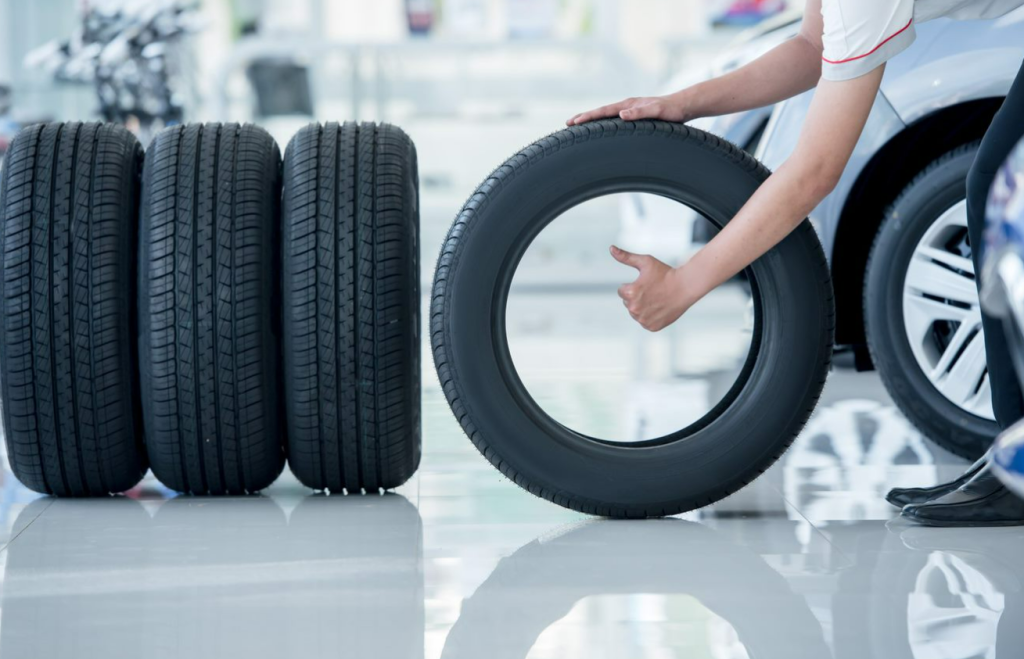
Tires are one car part that's exceedingly unwise to neglect. No matter how well-maintained the rest of your car may be, a single blowout or skid can put your life at risk. If you detect any of the following signs of bad tires, visit your local Kia dealership without delay to have a set of new tires safely installed. 

Your Tires Lose Traction

As a driver, you should always feel confident in the condition of your tires. As such, any momentary loss of traction while driving should be cause for alarm. If you experience reduced traction more than once and start to doubt the gripping strength of your tires, have them examined right away by a trusted technician.

Your Treads Are Too Shallow

The most common reason for tires to lose traction is when the tread depths become too shallow. It's usually best to replace tires when the tread depth diminishes to 2/32 of an inch at the central point of the treads. 

A quick test for tread depth is to insert a penny coin into the treads. If you can see the entire top of Lincoln's head, then the treads are less than 2/32 of an inch and the tire needs to go.

You Find a Poorly Placed Puncture

Many types of punctures can be repaired, especially if the puncture occurs in the thickest area of the treads. However, it's less easy to repair awkwardly placed punctures near the shoulder or in the sidewall, where the rubber needs to flex more. A tire with a poorly placed puncture like this may need to be replaced. 

Your Sidewalls Are Full of Cracks

When the sidewall of a tire dries out excessively, causing cracks to spread and grow in number, it's usually time to replace the tire. If the cracked tire rubber is also becoming brittle, then it might have dry rot, which usually spells the end for a tire. 

You Find a Deep or Long Cut

Likewise, particularly deep or long cuts can damage a tire too badly for a repair job. If you find a large-looking cut or gash in a tire, have a technician take a look to determine if you can keep using it.

You Notice a Mysterious Blister

Impacts from potholes, curbs, and other obstacles can sometimes damage the inner layers of a tire. This can cause air to push up into the outer layers, which might cause a visible bulge or blister. Any tire damaged in this way is no longer safe to use. 

Have your tires repaired or replaced today at Geweke Kia. We're a local community-centered dealership that's been supporting the drivers of Yuba City for over 25 years.
Posted in:

Related Posts

Keep Driving With a New Car Battery From the Kia Dealer

Driving a Kia is about enjoying a harmonious blend of style, comfort, and technology. But, just as with any car, your Kia's trusty battery has to be in good working order for your vehicle to perform its best. Wondering if you might need to get a new car battery from your Kia dealer? Let's explore some clear signs it's time for a battery update. Slow Engine Crank A healthy battery should fire up your engine briskly and without hesitation. If your Kia hesitates or takes longer than usual to start when you turn the key or push the start button, your battery might be losing its mojo. A slow engine crank is usually one of the first signs of battery trouble, so if you notice this symptom you should consider a replacement before it can completely lose its charge. Battery Warning Light Most modern Kias come equipped with a battery warning light on the dashboard. If this light illuminates, it's a direct signal to check your battery. Check Engine Light The check engine light may come on for so many reasons that it can be puzzling what to do when you see it. Sometimes it's your Kia's way of telling you to check on your battery. If this light pops up on your dashboard, it might be a signal that your battery needs a check-up. Battery Age Car batteries have a shelf life, usually from 3–5 years. If your Kia's battery is hitting that age range, its performance might start to decline. It's a good idea to start looking for a replacement or at least have it tested by a professional. Electrical Component Issues Is your Kia's infotainment system rebooting randomly, or are the lights dimmer than usual? When a battery starts to fail, it struggles to power your car's electrical components efficiently. If you notice any erratic behavior or diminished performance from your electrical systems, your battery might be the culprit. Swollen Battery Case If you pop the hood and notice that the battery case looks swollen or bloated, that's a sign of a bad battery. A swollen battery is unreliable, could fail at any time, and might even pose a safety hazard. If your battery is swollen, it should be replaced immediately. Recognizing these signs and acting on them can save you from the inconvenience of a car that won't start due to sudden battery failure. If you're experiencing any of these symptoms, it's wise to visit your local dealership. We can test your battery and provide you with the right replacement if needed, ensuring everything is installed correctly. Remember, a healthy battery means a reliable, ready-for-anything Kia. Keep an eye on your battery to enjoy more uninterrupted journeys. Call Geweke Kia to schedule a battery checkup for your car today.

Does Your Vehicle Need an Alternator Repair by a Kia Mechanic?

If features like power windows, the radio, or the air conditioning are starting to malfunction on your vehicle, you might assume that your battery is due for replacement. But these components are also affected when your alternator starts to deteriorate. The alternator distributes electricity and recharges the battery. If your vehicle needs alternator repair, your Kia mechanic can help. But how can you tell if your vehicle needs this repair? Problems Starting Your Vehicle Trouble starting your vehicle can be a sign that your alternator isn't providing enough charge for your battery. When you turn the key in the ignition, instead of hearing your engine start up, you may only hear a clicking sound. An alternator that's not functioning properly may also not be providing adequate power to the spark plugs, which could cause your vehicle to stall while it is being driven. Electronic Features Are Malfunctioning The performance of certain electronic features on the car, like the radio, lights, air conditioning, and power windows and locks, can decline if your alternator is malfunctioning. Your power windows may be slow to shut, or your car stereo may malfunction. Little mishaps can signal that your electronic features aren't working at peak levels. You may also notice that your headlights are either too bright or too faint, which can happen as the power supply to your lights becomes unstable due to a declining alternator. Your mechanic can determine if the alternator or some other component is at fault. Burning Smells An overloaded alternator can give off a burning odor that's similar to what you'd smell around an electrical fire. This can develop if excessive current is pumped down the wires, causing them to overheat. The smell of burning rubber is another way to describe the aroma associated with alternator issues. A Dead Battery The battery and alternator are closely related, and sometimes a malfunctioning alternator can fail to charge the battery. If you jumpstart your battery and the car immediately dies again, the problem is most likely that your alternator is malfunctioning and not providing enough power to the battery. If the alternator is not keeping your battery at the proper voltage, the battery warning light on your dashboard may also come on. Whining or Rattling Sounds A malfunctioning alternator can cause rattling sounds under the hood, especially if the alternatior becomes misaligned and damages the engine. Growling, rattling, and whining sounds can all signal alternator issues. If your vehicle's electrical system is acting up, you may want to have your alternator checked out. When you're ready to schedule your next service appointment, go to Geweke Kia.

Does Your Kia Need a Brake Repair?

It's generally recommended to have car brakes inspected every six months or so. Car brakes are complex and it's not always easy to detect a developing problem without the trained eye of a technician. There are, however, some common clear indications of brake trouble. The following warning signs should prompt you to visit your nearest Kia dealer for brake repair without delay. Strong Vibrations When Braking Each time you apply the brakes, the brake pads clamp onto the rotor discs, slowing and stopping your car. Brake rotors are remarkably tough components, but they gradually wear down over time. As rotors become thinner, they become more susceptible to damage and warping, especially if they overheat during a period of continual use. When a rotor disc overheats, it may warp slightly out of shape. This warping makes it less effective and will also create vibrations that you might feel through the brake pedal or steering wheel. You'll usually have to replace a warped rotor. Screeching Sounds When Braking If you're hearing persistent screeching sounds while braking, one of your brake pads probably needs to be replaced. Brake pads have a friction layer that presses against the rotor, generating the friction required to slow your car. When this friction layer wears down far enough, a little indicator tab is exposed, which is designed to create a loud screeching sound. This warning sound is how you know it's time for a new pad. Reduced Braking Responsiveness Any loss of braking responsiveness is a disconcerting experience. Reduced braking force usually means you either have leaking brake fluid or you're experiencing brake fade from overheating, both of which are serious problems. If one of your car's brake hoses has sprung a leak, then hydraulic force is lessened, which means your brake pedal can no longer transmit a proper braking signal to the caliper. It's advisable to have a technician find and repair the leak at once. Brake fade, on the other hand, is usually a temporary problem. Brake fade sometimes occurs when brakes overheat from continual braking in heavy traffic or while driving on mountainous roads. This overheating can cause a sudden loss of friction and stopping power. If you pull over and allow your brakes to cool down, normal brake function may be restored. How a Kia Dealer Inspects Your Car's Brakes During a full brake inspection, the technician will check under the hood for signs of leaks in the master brake cylinder or upper brake lines. They'll then raise the car, remove the wheels and all of the brake components, and check the brake lines underneath the car as well. The thickness and quality of all the braking system's components are carefully checked. If any problems are found, they'll be promptly fixed before everything is put back on and the brakes are carefully tested. Have your car's brakes inspected and repaired today by experienced professionals at Geweke Kia. We're a family-owned dealership that's been diligently serving the region's drivers for over 25 years.